[et_pb_section admin_label=”Section” fullwidth=”on” specialty=”off”][et_pb_fullwidth_header admin_label=”Fullwidth Header” title=”INTRODUCTIONS” background_layout=”light” text_orientation=”left” header_fullscreen=”off” header_scroll_down=”off” parallax=”off” parallax_method=”off” content_orientation=”center” image_orientation=”center” custom_button_one=”off” button_one_letter_spacing=”0″ button_one_use_icon=”default” button_one_icon_placement=”right” button_one_on_hover=”on” button_one_letter_spacing_hover=”0″ custom_button_two=”off” button_two_letter_spacing=”0″ button_two_use_icon=”default” button_two_icon_placement=”right” button_two_on_hover=”on” button_two_letter_spacing_hover=”0″]
Domestic violence has become a very common vice in Meru at large.
In Kenya domestic violence has increased to 38%. The violence is both physical and emotional for both men and women. We have had women killed or have their body parts mutilated by their partners. CIFORD Kenya works with rural women who are suffering silently from domestic violence, these women are therefore prone to psychological torture, emotional and physical which a time leads to death. As CIFORD, we have taken it as our concern to sensitize women on how best to reduce domestic violence.
CIFORD Kenya found the importance to organize a seminar on domestic violence its causes, effects, and solutions. They were encouraged to sustain their families violence is not the solution to family problems.
[/et_pb_fullwidth_header][/et_pb_section][et_pb_section admin_label=”Section” fullwidth=”off” specialty=”off”][et_pb_row admin_label=”Row” make_fullwidth=”off” use_custom_width=”off” width_unit=”on” use_custom_gutter=”off” custom_padding=”||0px|” padding_mobile=”on” allow_player_pause=”off” parallax=”off” parallax_method=”off” make_equal=”off” parallax_1=”off” parallax_method_1=”off” parallax_2=”off” parallax_method_2=”off” column_padding_mobile=”on”][et_pb_column type=”1_2″][et_pb_image admin_label=”Image” src=”http://www.cifordkenya.org/wp-content/uploads/2018/06/WhatsApp-Image-2018-05-25-at-11.59.08.jpeg” show_in_lightbox=”off” url_new_window=”off” use_overlay=”off” animation=”right” sticky=”on” align=”left” force_fullwidth=”on” always_center_on_mobile=”on” use_border_color=”off” border_color=”#ffffff” border_style=”solid”] [/et_pb_image][/et_pb_column][et_pb_column type=”1_2″][et_pb_divider admin_label=”Divider” color=”#adc743″ show_divider=”on” divider_style=”solid” divider_position=”top” divider_weight=”8″ hide_on_mobile=”off” height=”0″] [/et_pb_divider][et_pb_text admin_label=”Our Mission Statement” background_layout=”light” text_orientation=”right” use_border_color=”off” border_color=”#ffffff” border_style=”solid” text_font_size_last_edited=”on|desktop” module_class=”et_pb_animation_left et-animated et-waypoint” header_font=”Oswald||||”]
SEMINAR
[/et_pb_text][et_pb_text admin_label=”Text” background_layout=”light” text_orientation=”right” text_font_size=”18″ text_text_color=”#666666″ text_line_height=”1.6em” use_border_color=”off” border_color=”#ffffff” border_style=”solid” custom_margin=”33px|||” module_class=”et_pb_animation_left et-animated et-waypoint” custom_padding_last_edited=”on|desktop”]
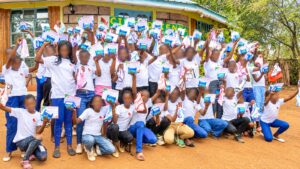
On 25 May 2018, CIFORD Kenya organized a one-day seminar to educate women on gender-based violence. A total of 64 women attended the seminar. Topics discussed were;
- What is Gender-Based Violence
- Causes and effects
- The root cause of violence
- Direct and indirect violence
- Other types of violence
- How to avoid the confrontations
[/et_pb_text][/et_pb_column][/et_pb_row][/et_pb_section][et_pb_section admin_label=”Section” fullwidth=”off” specialty=”off” transparent_background=”off” allow_player_pause=”off” inner_shadow=”off” parallax=”off” parallax_method=”off” padding_mobile=”off” make_fullwidth=”off” use_custom_width=”off” width_unit=”on” make_equal=”off” use_custom_gutter=”off”][et_pb_row admin_label=”Row” make_fullwidth=”off” use_custom_width=”off” width_unit=”on” use_custom_gutter=”off” custom_padding=”168px||0px|” padding_mobile=”on” allow_player_pause=”off” parallax=”off” parallax_method=”off” make_equal=”off” parallax_1=”off” parallax_method_1=”off” parallax_2=”off” parallax_method_2=”off” column_padding_mobile=”on” custom_padding_tablet=”64px||0px|” custom_padding_last_edited=”on|tablet” disabled_on=”on|on|off” disabled=”off” collapsed=”off”][et_pb_column type=”4_4″][et_pb_gallery admin_label=”Gallery” gallery_ids=”207959,207960,207961,207962″ fullwidth=”off” show_title_and_caption=”off” show_pagination=”off” background_layout=”light” auto=”off” hover_overlay_color=”rgba(255,255,255,0.9)” caption_all_caps=”off” use_border_color=”on” border_color=”#ffffff” border_style=”solid”] [/et_pb_gallery][/et_pb_column][/et_pb_row][/et_pb_section][et_pb_section admin_label=”Section” fullwidth=”off” specialty=”off”][et_pb_row admin_label=”Row”][et_pb_column type=”4_4″][et_pb_text admin_label=”Text” background_layout=”light” text_orientation=”left” use_border_color=”off” border_color=”#ffffff” border_style=”solid”]
ACHIEVEMENTS
- 64 women were trained on G.B.V
- Women were able to understand more on their right, causes and how to prevent G.B.V
- The women were trained on how to reduce confrotations at home.
[/et_pb_text][/et_pb_column][/et_pb_row][/et_pb_section][et_pb_section admin_label=”Section” fb_built=”1″ background_color=”#ffffff” custom_padding=”||0px|” padding_mobile=”off”][et_pb_row admin_label=”Row”][et_pb_column type=”4_4″][et_pb_divider admin_label=”Divider” color=”#adc743″ show_divider=”on” divider_style=”solid” divider_position=”top” divider_weight=”8″ hide_on_mobile=”off” height=”0″] [/et_pb_divider][et_pb_blog admin_label=”Blog” fullwidth=”off” posts_number=”3″ show_thumbnail=”on” show_content=”off” show_more=”off” show_author=”off” show_date=”off” show_categories=”off” show_comments=”on” show_pagination=”on” offset_number=”0″ use_overlay=”off” background_layout=”light” use_dropshadow=”off” use_border_color=”off” border_color=”#ffffff” border_style=”solid”] [/et_pb_blog][et_pb_divider admin_label=”Divider” color=”#adc743″ show_divider=”on” divider_style=”solid” divider_position=”top” divider_weight=”8″ hide_on_mobile=”off” height=”0″] [/et_pb_divider][/et_pb_column][/et_pb_row][/et_pb_section]