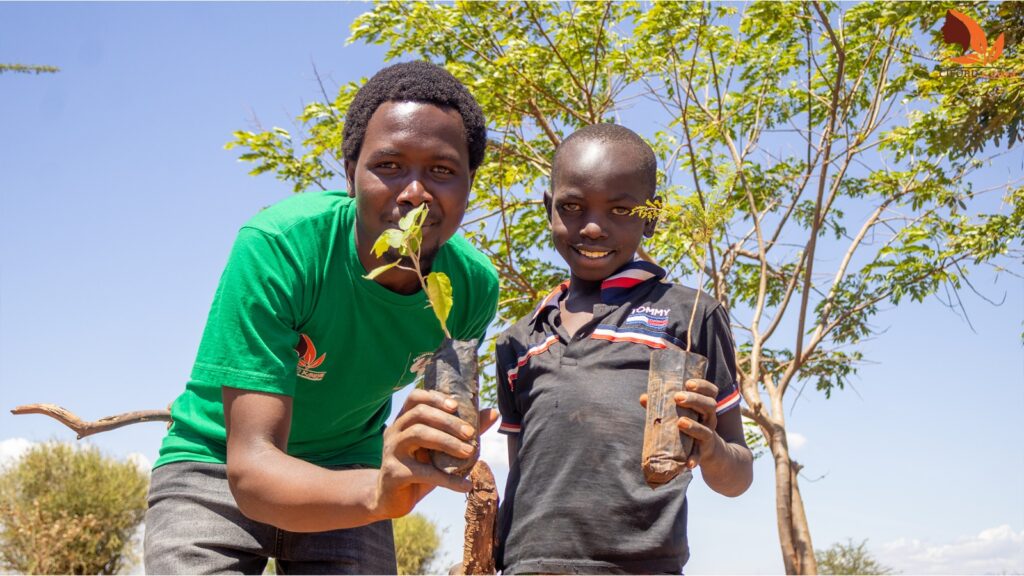
Climate Change, Nutrition & Community Health
At CIFORD Kenya, we work at the intersection of climate change, nutrition, water conservation, and community health, recognizing that these issues are deeply interconnected. Climate change continues to intensify health risks, disrupt food systems, and strain water resources, disproportionately affecting women, young mothers, and children in rural and underserved communities.
Through integrated, community-led interventions, CIFORD Kenya strengthens health resilience, nutritional wellbeing, and adaptive capacity, enabling families to live healthier lives while adapting to a changing climate.
Why Climate Change, Nutrition & Health Matter
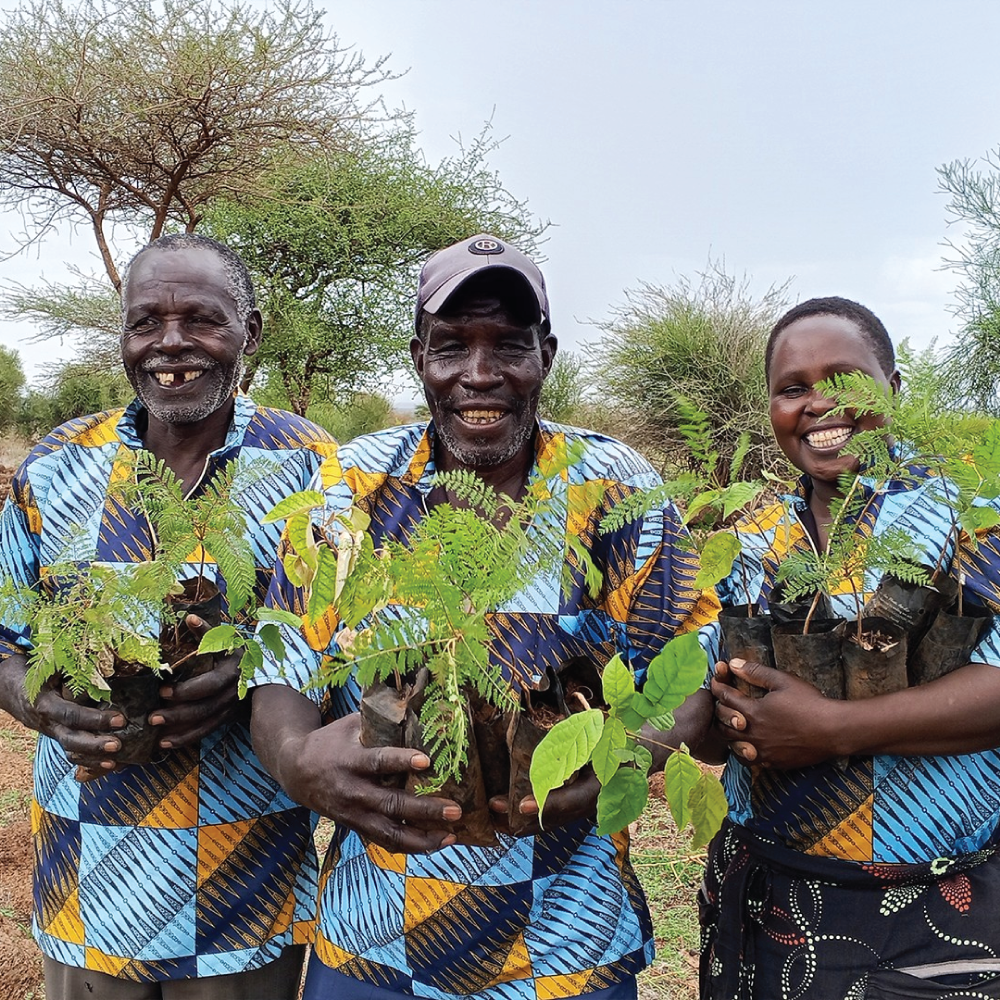
Climate change directly influences health outcomes, food security, and access to clean water. Prolonged droughts, erratic rainfall, and environmental degradation increase the risk of malnutrition, climate-sensitive diseases, maternal and child health complications, and water-borne illnesses.
Young mothers and children are among the most vulnerable. Poor nutrition, unsafe water, and limited access to health information can lead to long-term health challenges such as stunting, weakened immunity, and increased maternal health risks.
CIFORD Kenya addresses these challenges by promoting integrated solutions that strengthen climate resilience, improve nutrition, conserve water, and enhance community health systems.
Our Key Interventions
CIFORD Kenya implements integrated interventions that address the interconnected challenges of climate change, nutrition, water conservation, and community health, with a strong focus on women, young mothers, and vulnerable populations.
Climate Change and Health Resilience
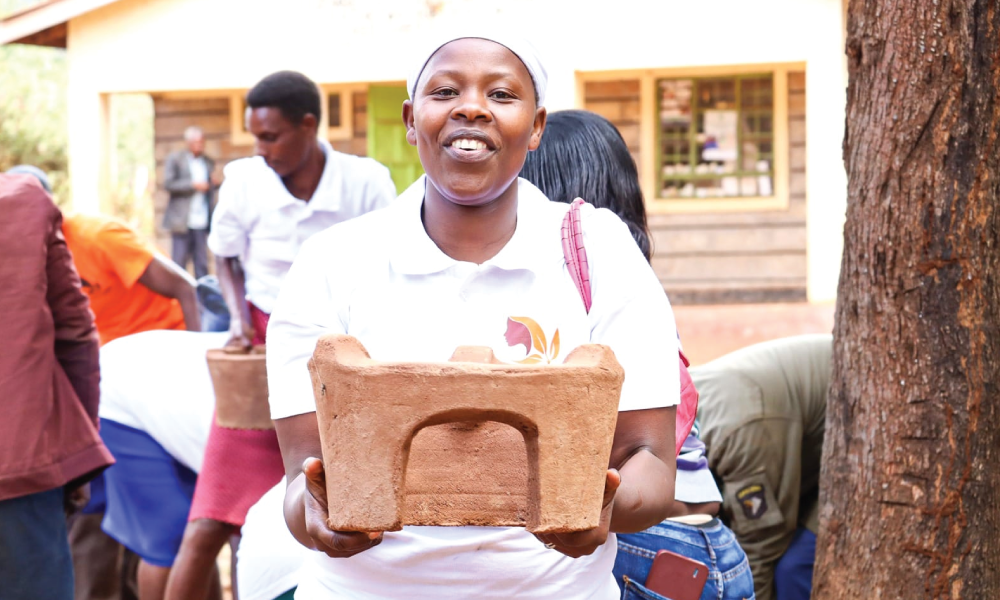
CIFORD Kenya supports communities to understand and respond to the health impacts of climate change, including heat stress, vector-borne diseases, respiratory illnesses, and disaster-related health risks. The approach emphasizes prevention, preparedness, and community-led adaptation.
Nutrition and Health for Young Mothers and Children
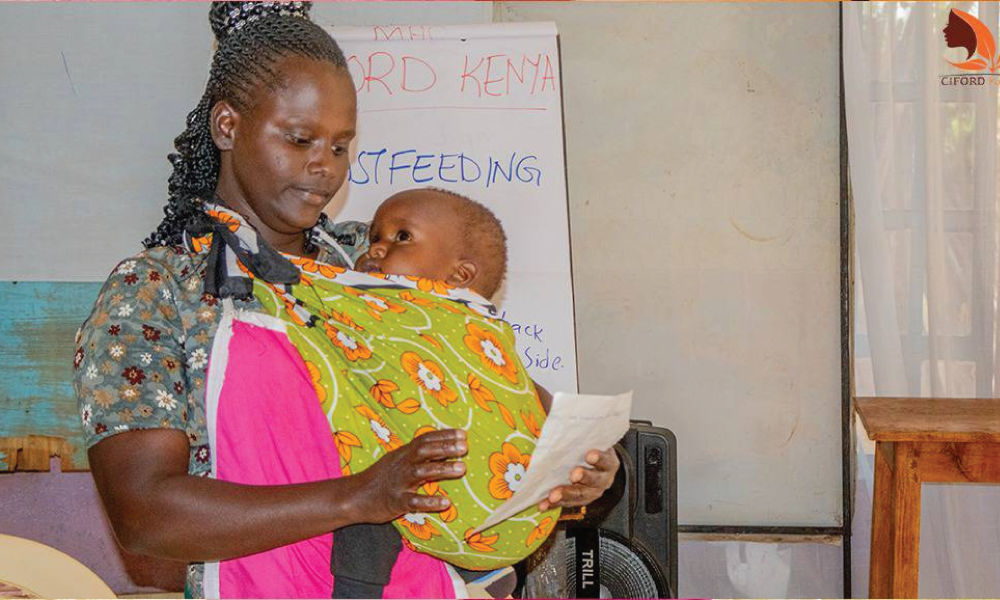
The organization promotes maternal, infant, and young child nutrition through education on balanced diets, breastfeeding, appropriate child feeding practices, and access to maternal healthcare. These interventions contribute to improved maternal wellbeing, child growth, and household nutrition security.
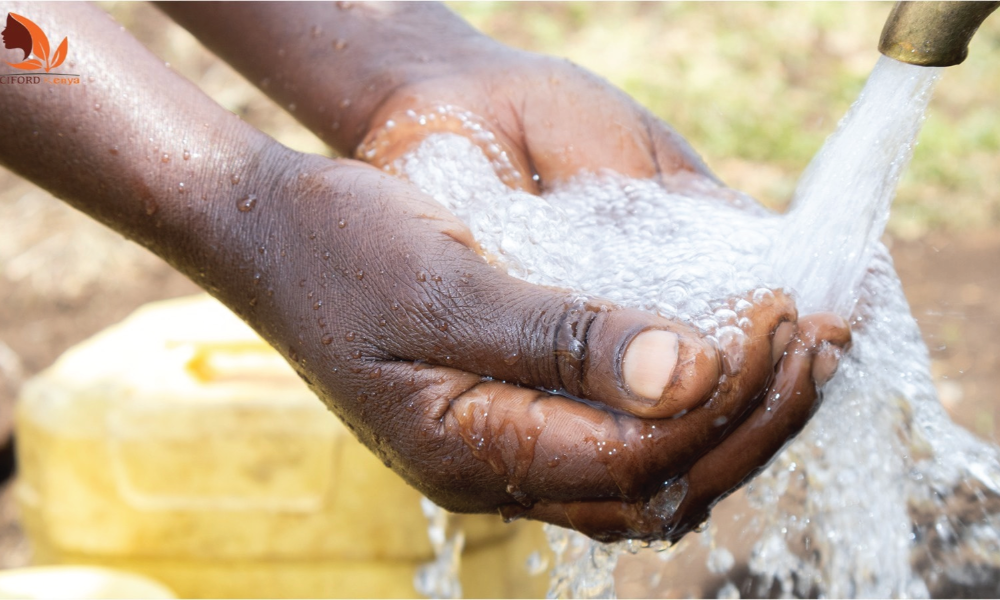
Water Conservation, Sanitation and Hygiene
CIFORD Kenya promotes sustainable water management through rainwater harvesting, water conservation practices, safe water use, sanitation, and hygiene education. These efforts reduce the risk of water-borne diseases and protect communities during periods of drought and flooding.
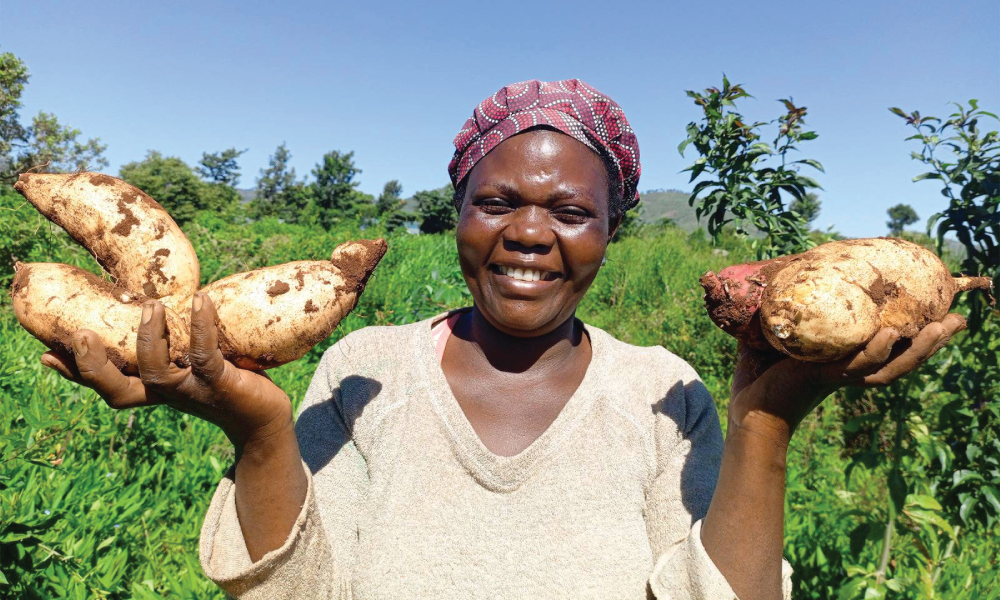
Climate-Smart Food Security and Nutrition
By linking climate-smart agriculture with nutrition outcomes, CIFORD Kenya supports households to adopt resilient farming practices that increase food availability, dietary diversity, and household income, with a strong focus on women-led and young-mother households.
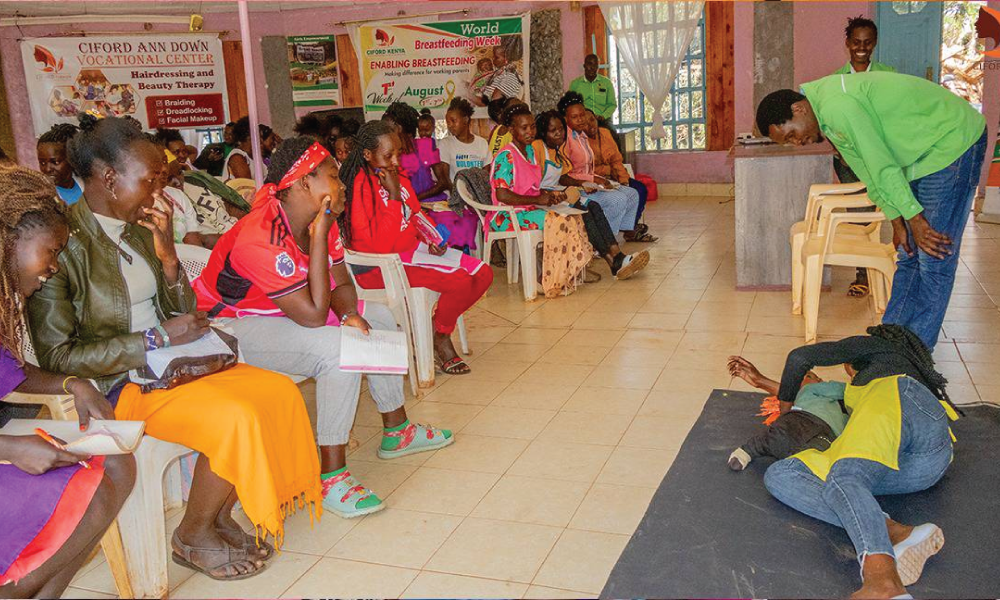
Community Health Education and Disease Prevention
Through community outreach, awareness campaigns, and health education forums, CIFORD Kenya promotes preventive healthcare, early health-seeking behavior, and improved understanding of climate-sensitive and communicable diseases.
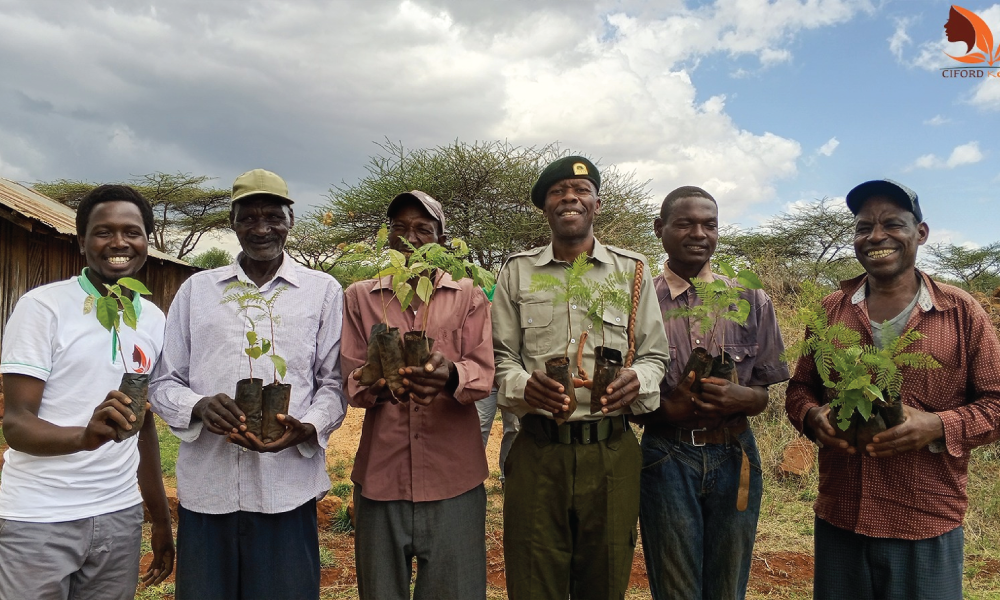
Community Capacity Building and Local Resilience
CIFORD Kenya strengthens community structures by training local leaders, women groups, and youth to lead climate, nutrition, water, and health initiatives, ensuring sustainability, local ownership, and long-term impact.
Partnerships That Amplify Impact
CIFORD Kenya works in collaboration with government institutions, health facilities, community-based organizations, NGOs, and development partners to deliver integrated and scalable interventions. These partnerships enhance knowledge sharing, strengthen service delivery, and align community actions with national and global development priorities.