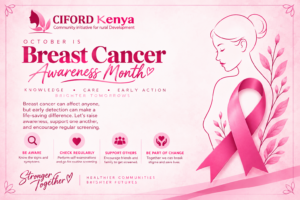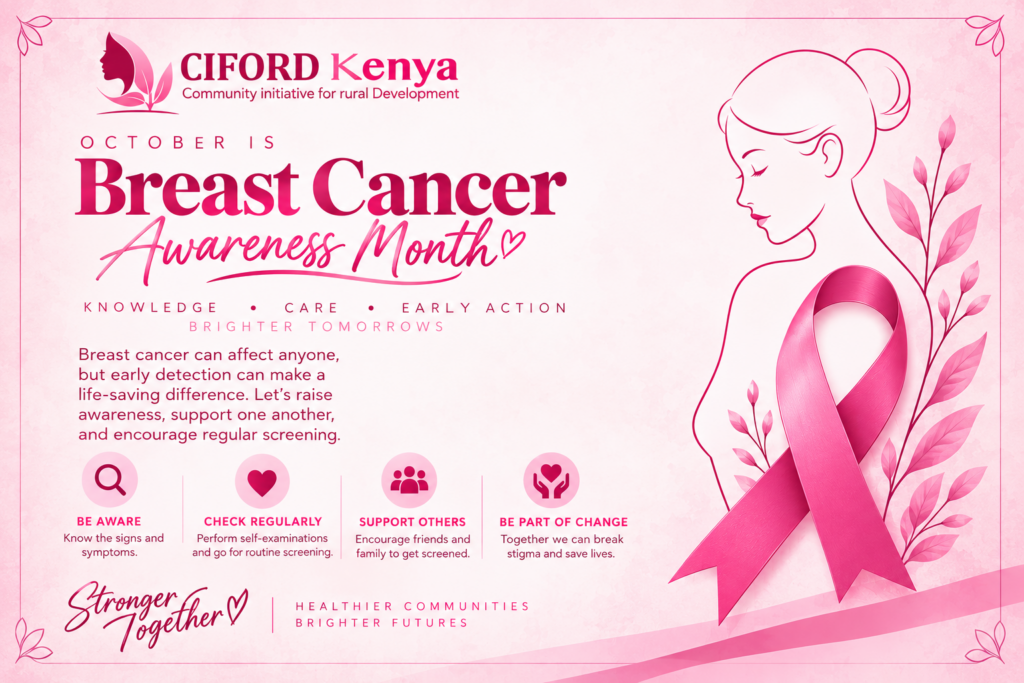
Every October, the world comes together to recognise Breast Cancer Awareness Month. Pink ribbons, awareness campaigns and community conversations remind us of the importance of early detection, timely medical care and support for people affected by breast cancer.
However, awareness means little if the information and healthcare services people need remain out of reach.
For women living in rural and marginalised communities, including those served by Community Initiatives for Rural Development (CIFORD Kenya), breast cancer awareness must go beyond sharing information. It must also address the barriers that prevent women from accessing healthcare, seeking medical advice and receiving timely treatment.
Why breast cancer awareness matters
Breast cancer is a major public health concern worldwide. According to the World Health Organization (WHO), approximately 2.3 million women were diagnosed with the disease in 2022, highlighting the need for greater awareness, early diagnosis and access to appropriate treatment.
Recognising possible signs of breast cancer and seeking medical attention promptly can make an important difference. Symptoms may include a new lump or thickening in the breast, changes in breast size or shape, changes to the skin, nipple changes or unusual discharge.
Not every breast change indicates cancer, but unusual or persistent changes should be assessed by a qualified healthcare professional.
Early diagnosis can improve the chances of successful treatment. However, knowing what to look for is only the first step. People must also be able to access healthcare services that can evaluate symptoms, provide an accurate diagnosis and connect patients with appropriate treatment.
The additional challenges facing women in marginalised communities
For women in rural and underserved areas of Kenya, accessing breast cancer services can be particularly challenging.
1. Limited access to health information
Not everyone has equal access to reliable health information. Women in remote communities may have fewer opportunities to participate in health education programmes or receive information from qualified healthcare professionals.
Misinformation and fear can also discourage people from seeking medical advice. When breast cancer is discussed only occasionally or surrounded by stigma, women may feel uncomfortable asking questions or sharing concerns.
Community-based awareness programmes can help bridge this information gap by providing clear, accessible and culturally sensitive information through trusted local networks.
2. The cost of healthcare
For households with limited financial resources, seeking medical attention can involve more than the cost of a consultation. Transport, diagnostic tests, accommodation and time away from work or family responsibilities can create additional financial pressure.
A woman may recognise that something is wrong but delay seeking help because she cannot afford the journey to a suitable health facility.
This is why breast cancer awareness must be accompanied by efforts to improve access to affordable healthcare and information about available services.
3. Distance and limited healthcare facilities
Some rural communities are located far from facilities equipped to provide specialised diagnostic services and cancer treatment.
Reaching these facilities can require several journeys, referrals and additional expenses. Delays may occur when patients do not know where to seek help or how to navigate the healthcare system.
Strengthening referral pathways, improving access to local health services and helping people understand where to seek assistance are important steps towards reducing these barriers.
4. Stigma, fear and misconceptions
A possible cancer diagnosis can be frightening. Some women may fear the disease, the cost of treatment, the reactions of family members or the possibility of losing their livelihoods.
Others may avoid seeking medical attention because they believe that a cancer diagnosis automatically means death.
These fears deserve compassion rather than judgement. Open conversations, accurate information and supportive communities can help women feel more comfortable seeking medical advice.
Families, community leaders and local organisations all have a role to play in creating an environment where asking for help is encouraged.
Why community-based awareness is important
Health awareness is more effective when it reaches people where they live and takes account of their everyday realities.
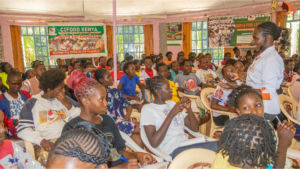
Community organisations can help share health information through local meetings, women’s groups, community networks and partnerships with healthcare professionals. They can also help challenge misinformation, encourage people to seek professional advice and direct community members towards appropriate services.
For organisations working with vulnerable rural communities, this approach is particularly important. Women should not have to rely on social media, personal connections or the ability to travel long distances to learn about their health.
Awareness initiatives should be inclusive, using accessible language and communication methods that reach women with different literacy levels and access to technology.
They should also recognise that women are not a single, uniform group. Age, disability, income, location and other circumstances can influence the information and services a person can access.
Importantly, community awareness is not a replacement for professional medical care. It works best when supported by accessible health facilities, trained healthcare workers, reliable referral systems and affordable diagnostic and treatment services.
What can we do to make a difference?
Breast Cancer Awareness Month offers an opportunity to turn awareness into practical action.
Share reliable information. Help women and families understand possible symptoms, the importance of seeking medical attention and where they can access trustworthy health services.
Encourage timely medical assessment. Women who notice unusual breast changes should seek advice from a qualified healthcare professional rather than waiting for symptoms to disappear or relying on unverified remedies.
Promote appropriate screening. Encourage women to discuss their individual risk and appropriate screening options with healthcare professionals. Screening recommendations depend on factors such as age, personal risk and national guidelines.
Challenge stigma and misinformation. Create safe spaces where women can ask questions, share concerns and access accurate information without fear of embarrassment or discrimination.
Strengthen community partnerships. Community organisations, healthcare providers, county health departments and development partners can work together to improve awareness, referrals and access to services.
Support women throughout their healthcare journey. A woman who needs further assessment or treatment may also need emotional support, practical assistance and guidance on accessing available services. Compassion and community solidarity matter at every stage.
A healthier future must include everyone
At CIFORD Kenya, our commitment to working with vulnerable rural communities is rooted in the belief that people deserve opportunities to improve their well-being and livelihoods.
Health is an important part of that well-being. When women face barriers to accessing essential healthcare, the effects can extend beyond the individual to their families, livelihoods and communities.
Breast cancer awareness is therefore not simply about wearing pink or observing a month on the calendar. It is about making reliable information accessible, encouraging timely medical attention and working towards healthcare services that respond to the needs of underserved populations.
This October, let us look beyond the pink ribbon and consider what meaningful awareness requires: informed communities, supportive families, accessible health services and partnerships that help close the gaps in care.
No woman should be left behind because of where she lives or what she can afford.
Together, we can build healthier, better-informed and more resilient communities.
Health note: This article is for general awareness and does not replace professional medical advice. Anyone experiencing concerning breast changes should seek assessment from a qualified healthcare professional.
Sources for further reading
- World Health Organization: Breast cancer
- WHO Regional Office for Africa: Evaluation and workup for suspected breast cancer using a primary health care approach
- Kenya National Cancer Screening Guidelines