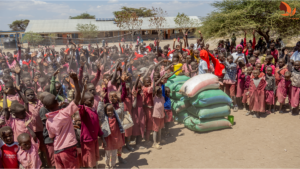
CIFORD USING FOOD TO REDUCE INFECTIONS

Nchekei story

“We will wash our hands and observe the hygiene you tell us but the most important thing is the use of health and nutritious food. “ Rebecca Ncekei told our officer when she visited her at her home. She told her that she is over 70 years and she depends on using food from her garden which she has grown herself. She also emphasized on the use of traditional food like pumpkins, sweet potatoes, millet and sorghum. She has also been using the indigenous vegetable and it had made her body resist diseases.

“CIFORD Kenya has made us appreciate the traditional food and it has greatly helped us realize our food security” Rebecca concludes with a word of appreciation from CIFORD .

Facebook
Twitter
LinkedIn

Latest Blogs

Protecting Girls’ Dignity: Why Access to Menstrual Products Is About More Than Periods

Imagine waking up on the first day of your period and already knowing you won’t be going to school. Not because you don’t want to learn, but because you have nothing safe to use.

This is the reality for many girls in Kenya. An estimated 65 per cent of women and girls in Kenya cannot afford sanitary pads. That lack of access has led to an estimated one million girls missing school every month. The Ministry of Education reports that school-going girls miss an average of four days of class every month. Many girls turn to old cloth or other unsafe materials, putting their health and comfort at risk.

Read More »

When Food Insecurity Keeps Children Out of School

Food insecurity can affect much more than what is on a family’s table. For children in rural communities, it can influence school attendance, learning and their ability to remain in education. This article explores the connection between food security, household livelihoods and education, and the importance of building resilient communities.

Read More »

Support Us