Conversations about gender equality and ending gender-based violence often focus on empowering girls and protecting women. While this work is essential, there is another important part of the conversation: how we raise and mentor boys.
In many communities, boys grow up learning what it means to be a man from the people around them, their families, peers and society. Some of these lessons reinforce harmful beliefs about masculinity, power and the roles of women and girls. When left unchallenged, these attitudes can contribute to discrimination, unequal relationships and gender-based violence.
Changing this requires more than teaching girls to recognise their rights and protect themselves. It also means helping boys understand respect, equality, responsibility and the role they have in building safer communities.
Challenging Harmful Ideas About Manhood
For many boys, growing up comes with expectations about how they should behave. They may be taught that men should always be dominant, that showing emotion is a sign of weakness or that having authority over women is part of being a man.
These beliefs can become deeply rooted, influencing how boys view themselves and interact with others as they grow older.
Boys’ mentorship programmes provide an opportunity to challenge these expectations. Through open discussions, guidance and positive role modelling, boys can explore what healthy masculinity looks like.
They learn that strength does not come from intimidation, that leadership does not require controlling others and that respecting women and girls is not a weakness. Rather, responsibility, empathy, self-discipline and respect are important qualities of manhood.
These conversations are particularly important during adolescence, when young people are developing their identities, values and attitudes towards relationships.
Why Boys Must Be Part of the Conversation on Gender-Based Violence
Gender-based violence is not only a women’s issue. It is a community issue that requires the participation of everyone, including boys and men.
Preventing violence means addressing some of the attitudes and social norms that allow it to continue. Boys need to understand consent, personal boundaries, equality and accountability. They also need to recognise that harassment, intimidation, discrimination and violence are never acceptable ways of expressing masculinity.
Mentorship creates spaces where these subjects can be discussed openly. It encourages boys to question harmful behaviours, resist negative peer pressure and develop healthier ways of relating to girls and women.
A boy who understands the importance of respect can become an influence among his peers. He can challenge degrading comments, speak against harassment and encourage his friends to treat girls with dignity.
These actions may seem small, but they contribute to changing the attitudes that allow gender inequality and violence to persist.
Boys for Change: Investing in a Different Future
At CIFORD Kenya, we recognise that creating lasting change requires investing in both girls and boys. Empowering girls while leaving harmful attitudes among boys unaddressed limits the progress communities can make towards gender equality.
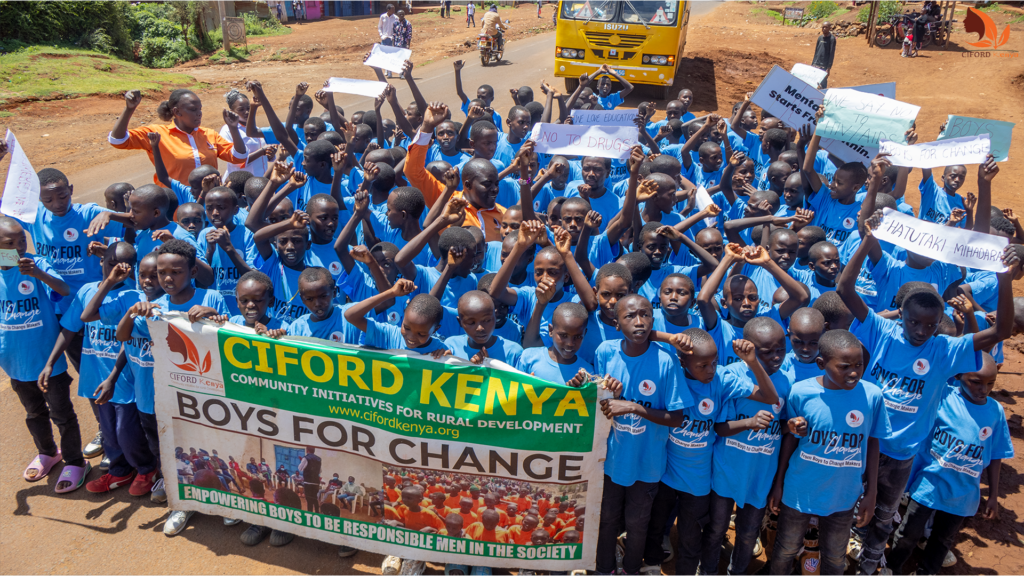
Through our Boys for Change mentorship programme, we create opportunities for adolescent boys to learn, reflect and develop the values and life skills they need to become responsible members of society.
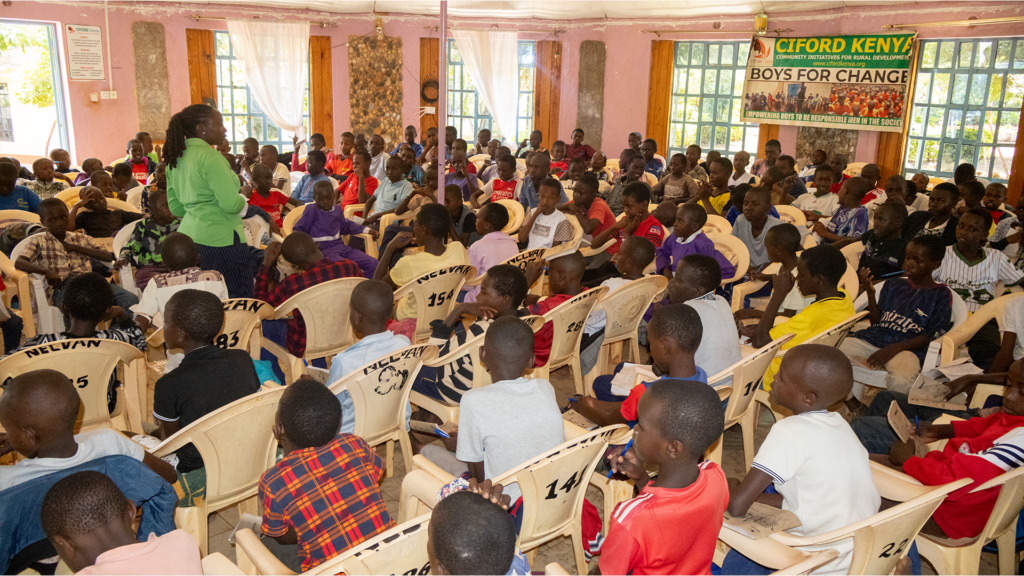
During a seven-day mentorship seminar held at St. Cyprian Secondary School in Meru, 109 boys participated in conversations about manhood, personal responsibility, respect and their role in society.
The programme challenged participants to reflect on behaviours and attitudes that can negatively affect their lives and relationships, while encouraging them to become positive influences within their families and communities.
One of the important lessons from the programme was that change does not end when a mentorship session comes to a close. The knowledge and values boys acquire can be shared with their friends, siblings and families, allowing positive conversations to extend beyond the seminar itself.
This is what makes mentorship valuable: it creates opportunities for individual growth while contributing to wider community transformation.
Breaking Cycles Through Education and Positive Role Models
Changing attitudes that have been passed down through generations takes time. It requires consistent engagement, supportive families, responsible community leadership and opportunities for young people to learn from positive role models.
Boys need spaces where they can ask questions without fear of judgement, discuss the pressures they face and receive guidance on making responsible decisions.
Schools, families, community organisations and local leaders all have a role to play in ensuring that boys grow up understanding the importance of equality and mutual respect.
Mentorship programmes can complement these efforts by helping young people develop confidence, communication skills, emotional awareness and a stronger sense of responsibility.
Most importantly, boys must understand that they are not simply being taught what not to do. They are being encouraged to become men who contribute positively to their families, relationships and communities.
Building Communities Where Everyone Can Thrive
The fight against gender-based violence cannot succeed through isolated interventions. It requires a collective commitment to changing the attitudes, behaviours and social expectations that contribute to inequality and violence.
Girls must continue to be empowered to pursue their ambitions, exercise their rights and participate fully in society. At the same time, boys must be supported to grow into men who value equality, respect boundaries and reject violence in all its forms.
At CIFORD Kenya, we believe that investing in boys is an important part of building safer, more inclusive and equitable communities.
When we mentor boys to choose respect over dominance, responsibility over entitlement and equality over discrimination, we are investing in more than their individual futures. We are helping create a generation capable of breaking harmful cycles and building healthier relationships.
Because ending gender-based violence is not just about protecting the next generation. It is also about preparing the next generation to create a world where violence, discrimination and inequality have no place.