[et_pb_section admin_label=”Section” fullwidth=”on” specialty=”off”][et_pb_fullwidth_header admin_label=”Fullwidth Header” title=”INTRODUCTION” background_layout=”light” text_orientation=”left” header_fullscreen=”off” header_scroll_down=”off” parallax=”off” parallax_method=”off” content_orientation=”center” image_orientation=”center” custom_button_one=”off” button_one_letter_spacing=”0″ button_one_use_icon=”default” button_one_icon_placement=”right” button_one_on_hover=”on” button_one_letter_spacing_hover=”0″ custom_button_two=”off” button_two_letter_spacing=”0″ button_two_use_icon=”default” button_two_icon_placement=”right” button_two_on_hover=”on” button_two_letter_spacing_hover=”0″ title_font_color=”#7cda24″ title_font=”|on|||”]
Maize is essential food in Kenya hence most cultivated by most farmers. According to journal research volume 57, April 2014 there is a lot of post-harvest losses due to poor harvesting methods, transportation, drying, storage and marketing. There also diseases associated with poor drying and storage such as aflatoxicosis.
Most of the farmers don’t know about post-harvest management leading to loss during harvesting and storange.This made CIFORD-KENYA conduct one-day seminar
[/et_pb_fullwidth_header][/et_pb_section][et_pb_section admin_label=”Section” fullwidth=”off” specialty=”off”][et_pb_row admin_label=”Row” make_fullwidth=”off” use_custom_width=”off” width_unit=”on” use_custom_gutter=”off” custom_padding=”||0px|” padding_mobile=”on” allow_player_pause=”off” parallax=”off” parallax_method=”off” make_equal=”off” parallax_1=”off” parallax_method_1=”off” parallax_2=”off” parallax_method_2=”off” column_padding_mobile=”on”][et_pb_column type=”1_2″][et_pb_image admin_label=”Image” src=”http://www.cifordkenya.org/wp-content/uploads/2018/02/IMG-20180214-WA0018.jpg” show_in_lightbox=”off” url_new_window=”off” use_overlay=”off” animation=”right” sticky=”on” align=”left” force_fullwidth=”on” always_center_on_mobile=”on” use_border_color=”off” border_color=”#ffffff” border_style=”solid”] [/et_pb_image][/et_pb_column][et_pb_column type=”1_2″][et_pb_divider admin_label=”Divider” color=”#adc743″ show_divider=”on” divider_style=”solid” divider_position=”top” divider_weight=”8″ hide_on_mobile=”off” height=”0″] [/et_pb_divider][et_pb_text admin_label=”Our Mission Statement” background_layout=”light” text_orientation=”right” use_border_color=”off” border_color=”#ffffff” border_style=”solid” text_font_size_last_edited=”on|desktop” module_class=”et_pb_animation_left et-animated et-waypoint” header_font=”Oswald||||”]
SEMINAR
[/et_pb_text][et_pb_text admin_label=”Text” background_layout=”light” text_orientation=”right” text_font_size=”18″ text_text_color=”#666666″ text_line_height=”1.6em” use_border_color=”off” border_color=”#ffffff” border_style=”solid” custom_margin=”33px|||” module_class=”et_pb_animation_left et-animated et-waypoint” custom_padding_last_edited=”on|desktop”]
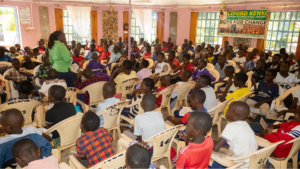
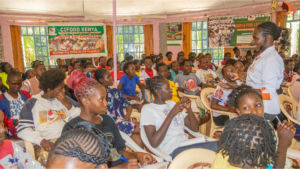
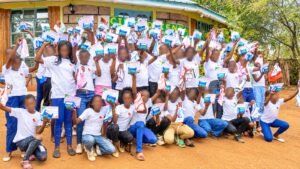
On Tuesday 13th February 2018 CIFORD-KENYA conducted a one-day seminar at CIFORD Kenya training hall.40 women from 20 group participated and they were taught on land preparation, post-harvest management and consequences of poor post-harvest management. They were also taught on environmental conservation and each one of them was given an energy saving stoves (jiko) to install in their homestead.
[/et_pb_text][/et_pb_column][/et_pb_row][/et_pb_section][et_pb_section admin_label=”Section” fullwidth=”off” specialty=”off”][et_pb_row admin_label=”Row”][et_pb_column type=”4_4″][et_pb_tabs admin_label=”Tabs” use_border_color=”off” border_color=”#ffffff” border_style=”solid”] [et_pb_tab title=”1st Secession ” tab_font_select=”default” tab_font=”||||” tab_line_height=”2em” tab_line_height_tablet=”2em” tab_line_height_phone=”2em” body_font_select=”default” body_font=”||||” body_line_height=”2em” body_line_height_tablet=”2em” body_line_height_phone=”2em”]
The facilitator started the training at 10:00 AM and farmers were taught on post-harvest management such as proper methods of harvesting, transportation, drying storage and marketing.
[/et_pb_tab][et_pb_tab title=”2nd Session ” tab_font_select=”default” tab_font=”||||” tab_line_height=”2em” tab_line_height_tablet=”2em” tab_line_height_phone=”2em” body_font_select=”default” body_font=”||||” body_line_height=”2em” body_line_height_tablet=”2em” body_line_height_phone=”2em”]
The second facilitator started the second session at noon handling land preparation which involved different techniques e.g., sunken bed, multistory, raised bed, double dug among others.
[/et_pb_tab][et_pb_tab title=”3rd Session” tab_font_select=”default” tab_font=”||||” tab_line_height=”2em” tab_line_height_tablet=”2em” tab_line_height_phone=”2em” body_font_select=”default” body_font=”||||” body_line_height=”2em” body_line_height_tablet=”2em” body_line_height_phone=”2em”]
The third facilitator handled on post-harvest diseases of crops affecting human being such as cancer, diabetes among others.
[/et_pb_tab] [/et_pb_tabs][/et_pb_column][/et_pb_row][/et_pb_section][et_pb_section admin_label=”Section” fullwidth=”off” specialty=”off” transparent_background=”off” allow_player_pause=”off” inner_shadow=”off” parallax=”off” parallax_method=”off” padding_mobile=”off” make_fullwidth=”off” use_custom_width=”off” width_unit=”on” make_equal=”off” use_custom_gutter=”off”][et_pb_row admin_label=”Row” make_fullwidth=”off” use_custom_width=”off” width_unit=”on” use_custom_gutter=”off” custom_padding=”168px||0px|” padding_mobile=”on” allow_player_pause=”off” parallax=”off” parallax_method=”off” make_equal=”off” parallax_1=”off” parallax_method_1=”off” parallax_2=”off” parallax_method_2=”off” column_padding_mobile=”on” custom_padding_tablet=”64px||0px|” custom_padding_last_edited=”on|tablet” disabled_on=”on|on|off” disabled=”off” collapsed=”off”][et_pb_column type=”1_2″][et_pb_divider admin_label=”Divider” color=”#adc743″ show_divider=”on” divider_style=”solid” divider_position=”top” divider_weight=”8″ hide_on_mobile=”off” height=”0″] [/et_pb_divider][et_pb_text admin_label=”Text” background_layout=”light” text_orientation=”left” text_font_size=”18″ text_text_color=”#666666″ text_line_height=”1.6em” use_border_color=”off” border_color=”#ffffff” border_style=”solid” custom_margin=”33px|||” module_class=”et_pb_animation_left et-animated et-waypoint” custom_padding_last_edited=”on|desktop”]
CEO-CIFORD KENYA ended up the seminar by summarizing on topic taught and added on environmental conservation. This was to educate women on the importance of energy saving stoves (jikos) which consumes less firewood as compared to the traditional three stoned Jikos. The jiko is environmentally friendly and can cook many meals with less firewood.
[/et_pb_text][/et_pb_column][et_pb_column type=”1_2″][et_pb_image admin_label=”Image” src=”http://www.cifordkenya.org/wp-content/uploads/2018/02/IMG-20180214-WA0014.jpg” show_in_lightbox=”off” url_new_window=”off” use_overlay=”off” animation=”left” sticky=”on” align=”left” force_fullwidth=”on” always_center_on_mobile=”on” use_border_color=”off” border_color=”#ffffff” border_style=”solid”] [/et_pb_image][/et_pb_column][/et_pb_row][/et_pb_section][et_pb_section fullwidth=”off” specialty=”off” admin_label=”Section”][et_pb_row admin_label=”Row”][et_pb_column type=”1_3″][et_pb_image admin_label=”Image” src=”http://www.cifordkenya.org/wp-content/uploads/2018/02/27867424_2050354584981386_209322282800207951_n.jpg” show_in_lightbox=”off” url_new_window=”off” use_overlay=”off” animation=”left” sticky=”off” align=”left” force_fullwidth=”off” always_center_on_mobile=”on” use_border_color=”off” border_color=”#ffffff” border_style=”solid”] [/et_pb_image][/et_pb_column][et_pb_column type=”2_3″][et_pb_divider admin_label=”Divider” color=”#adc743″ show_divider=”on” divider_style=”solid” divider_position=”top” divider_weight=”8″ hide_on_mobile=”off” height=”0″] [/et_pb_divider][et_pb_text admin_label=”Our Mission Statement” background_layout=”light” text_orientation=”left” use_border_color=”off” border_color=”#ffffff” border_style=”solid” text_font_size_last_edited=”on|desktop” module_class=”et_pb_animation_left et-animated et-waypoint” header_font=”Oswald||||”]
SUCCESS
[/et_pb_text][et_pb_divider admin_label=”Divider” color=”#adc743″ show_divider=”on” divider_style=”solid” divider_position=”top” divider_weight=”8″ hide_on_mobile=”off” height=”0″] [/et_pb_divider][et_pb_text admin_label=”Text” background_layout=”light” text_orientation=”left” text_font_size=”18″ text_text_color=”#666666″ text_line_height=”1.6em” use_border_color=”off” border_color=”#ffffff” border_style=”solid” custom_margin=”33px|||” module_class=”et_pb_animation_left et-animated et-waypoint” custom_padding_last_edited=”on|desktop”]
- Farmers were able to learn and understand on factors contributing to lifestyle diseases such as cancer due to poor crop husbandry
- Provision of energy saving stoves (jIkos) to farmers which reduce cutting down of trees and provide the farmers with alternative Jikos
- Farmers were taught on post-harvest management to reduce loss during harvesting
[/et_pb_text][/et_pb_column][/et_pb_row][/et_pb_section][et_pb_section admin_label=”Section” fb_built=”1″ background_color=”#ffffff” custom_padding=”||0px|” padding_mobile=”off”][et_pb_row admin_label=”Row” make_fullwidth=”on” padding_mobile=”off” custom_margin=”|||100px” column_padding_mobile=”on” parallax_method_1=”off”][et_pb_column type=”1_4″][/et_pb_column][et_pb_column type=”1_4″][/et_pb_column][et_pb_column type=”1_2″][et_pb_text admin_label=”Text” text_orientation=”center” text_font=”Bree Serif||||” text_font_size=”35″ text_text_color=”#ffffff” text_line_height=”1em” background_color=”#000000″ custom_margin=”||-1%|30%” background_layout=”light” use_border_color=”off” border_color=”#ffffff” border_style=”solid”]
Sneak peek
[/et_pb_text][et_pb_text admin_label=”Text” text_orientation=”center” text_font=”Bree Serif||||” text_font_size=”35″ text_text_color=”#ffffff” background_color=”#88d317″ custom_padding=”||10px|” background_layout=”light” use_border_color=”off” border_color=”#ffffff” border_style=”solid”]
on the event
[/et_pb_text][/et_pb_column][/et_pb_row][et_pb_row admin_label=”Row” make_fullwidth=”on” use_custom_gutter=”on” gutter_width=”2″ custom_padding=”|0px|1px|0px” column_padding_mobile=”on” parallax_method_1=”off” parallax_method_2=”off” parallax_method_3=”off” parallax_method_4=”off”][et_pb_column type=”4_4″][et_pb_gallery admin_label=”Gallery” gallery_ids=”207748,207747,207745,207749″ show_title_and_caption=”off” show_pagination=”off” caption_line_height=”1px” fullwidth=”off” background_layout=”light” auto=”off” hover_overlay_color=”rgba(255,255,255,0.9)” caption_all_caps=”off” use_border_color=”off” border_color=”#ffffff” border_style=”solid”] [/et_pb_gallery][et_pb_gallery admin_label=”Gallery” gallery_ids=”207753,207754,207755,207756″ fullwidth=”off” show_title_and_caption=”off” show_pagination=”off” background_layout=”light” auto=”off” hover_overlay_color=”rgba(255,255,255,0.9)” caption_all_caps=”off” use_border_color=”off” border_color=”#ffffff” border_style=”solid”] [/et_pb_gallery][/et_pb_column][/et_pb_row][/et_pb_section]