The mental health needs of children and adolescents in low and middle-income countries (LMICs) have been neglected, leading to a serious mental health gap. The mental health care needs of young people are not acknowledged, and when they are, there are insufficient numbers of professionals trained to provide such care. The World Health Organization reports that mental health problems affect 10–20% of children and adolescents worldwide. The great majority of the world’s adolescents live in low- and middle-income countries (LMICs), and 97% of deaths among young people occur in LMICs. In the past 50 years, reductions in early child mortality have been greater than declines in adolescent mortality
Meru County is experiencing a worrying growth of mental health complications which has directly associated with growing teenage pregnancies, early marriage which in turn leads to divorces, poverty and retrogressive culture such as male chauvinism, gender based violence and female genital mutilation. CIFORD Kenya has been advocating against these vices through women groups trainings, fortnight seminars for key stakeholders and alternative rites of passage trainings for girls.
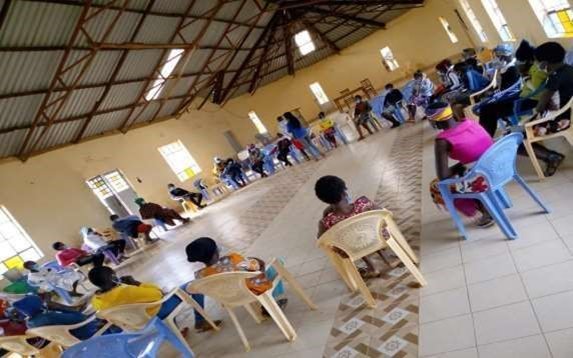
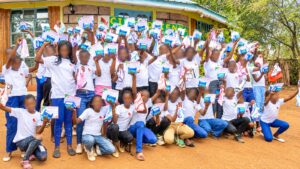
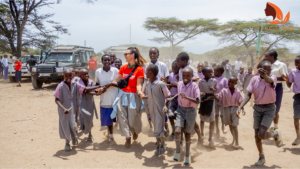
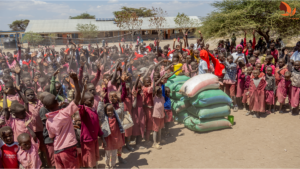
July 2021 adolescent’s mentorship program
With corona virus pandemic, alternative rites of passage and the fortnight seminars have been banned together with other public gathering. The organization has resolved on mentorship programs for adolescents and every holyday to reach out to the adolescents ins schools and out of school to address the issues of teenage pregnancies, mental health related issues such as suicide, gender based valance and female genital mutilation.. These has also been associated with
- Needs for security: The adolescent need emotional, social and economic.
- Need for Love: Affection or love is one of the most basic psychological.
- Need for freedom and independence: Adolescence is a time when the.
- Need for self-expression and achievement : Every adolescent has an inherent
With a total of 267 and 53 adolescent girls and boys respectively met and mentored, the voice of the adolescents were given first priority with the adolescents given the opportunity express themselves and speak out the challenges they might be experiencing. Some of the questions asked by girls included.


Challenges facing the adolescents from the July seminar.
Girls
- Lack of basic need like sanitary towels and panties
- Lack of reproductive health information/misleading information.
- Harassment by men and boys older than them
- Male chauvinism where men are given much time to concentrate on their studies.
- Poverty leading to lack of school fees and basic needs.
Boys
- Pressure to subject to male chauvinism and traditional beliefs.
- Lack of basic needs such as inner pants and other basic school needs.
Stress, depression and anxiety to be a man aand take family buddenat a very tender age.