For many families in rural communities, keeping a child in school requires more than having a school nearby. Children need access to food, a stable home environment and the basic support that enables them to attend school consistently and participate fully in their education.
When farming seasons are poor, however, meeting these basic needs can become increasingly difficult.
In many rural households, agriculture is the main source of both food and income. Prolonged droughts, unpredictable rainfall and declining agricultural productivity can therefore affect much more than the next harvest. They can determine whether families have enough food, whether they can meet school-related costs and whether children are able to remain in school.
The connection between food security and education
Food security and education are closely connected.
When household income declines, families may struggle to afford school-related expenses, including contributions towards meals. In some cases, children may be sent home when these contributions cannot be met. In other situations, children may miss school because there is simply not enough food available at home.
Repeated interruptions can affect school attendance, learning and children’s ability to remain engaged with their education.
This means that addressing school absenteeism requires us to look beyond the classroom. The conditions within a child’s household and community also matter.
Supporting children through school feeding
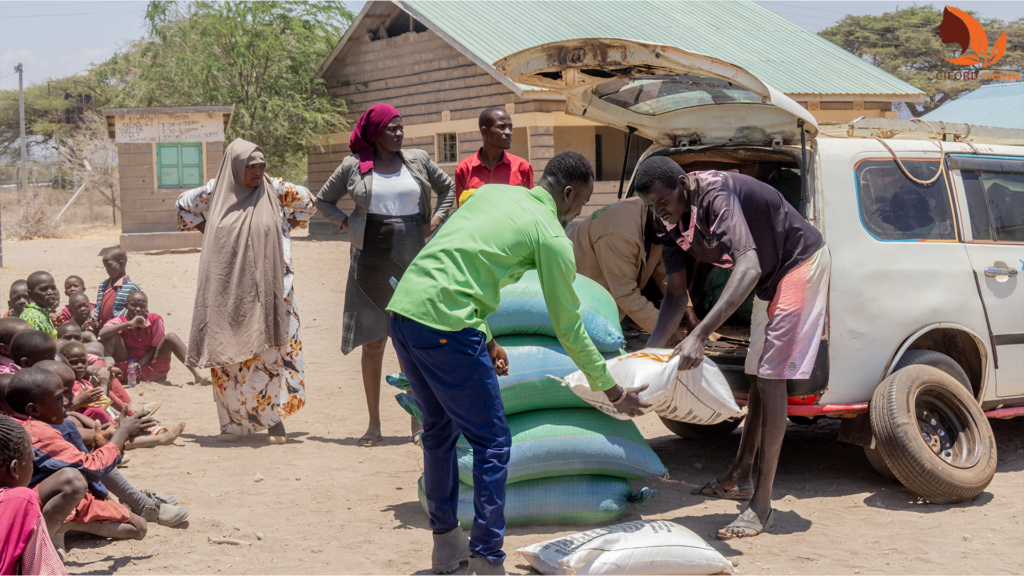
Community-based interventions can help address some of the immediate barriers children face.
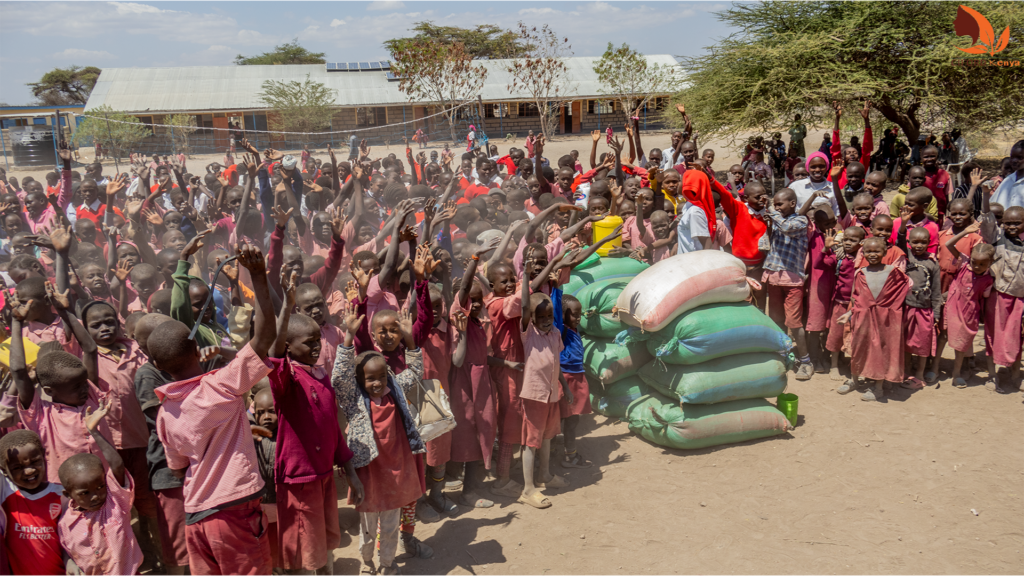
At Kiwanja Primary School in Ngaremara Ward, CIFORD Kenya’s school feeding programme provides daily meals to more than 700 pupils. The programme helps ensure that children have access to a meal while at school while reducing one of the challenges that can prevent regular attendance.
School feeding programmes can provide important immediate support, particularly for children from households facing food insecurity.
However, sustainable change requires us to look at the bigger picture.
A meal can help a child stay in class today. Building resilient livelihoods can help a family provide for that child tomorrow.
Building resilient households and communities
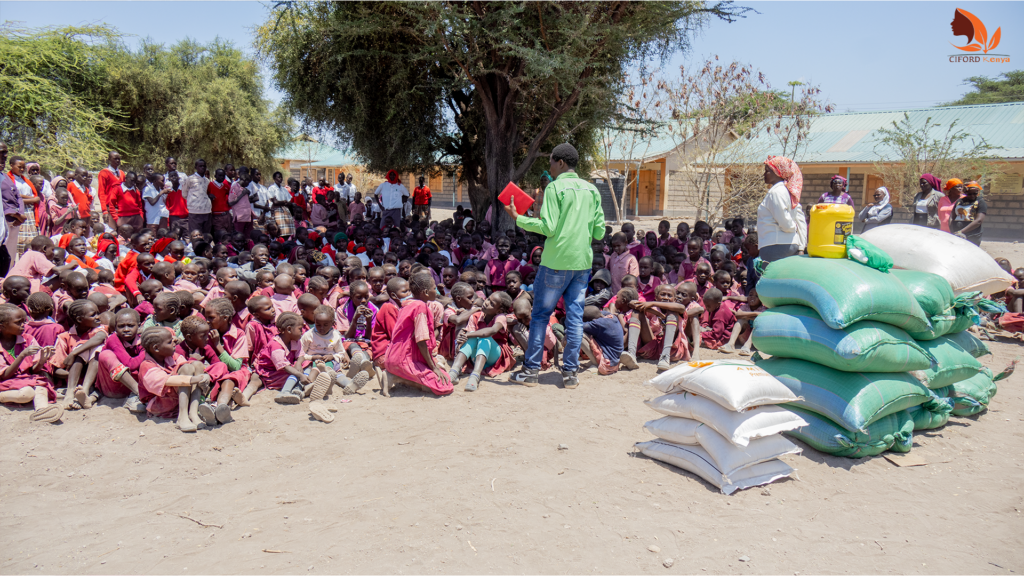
Supporting children to remain in school must go hand in hand with strengthening the households and communities they come from.
For CIFORD Kenya, this means taking a holistic approach to community development.
Our work with rural communities focuses on strengthening livelihoods, promoting sustainable agriculture, advancing gender equality and building resilience to climate-related challenges.
When smallholder farmers are able to improve agricultural productivity, conserve water, adapt to changing weather patterns and generate more reliable incomes, families are better positioned to meet essential needs such as food, healthcare and education.
Women and young people are particularly important to this process. Their participation in agriculture, livelihoods and community decision-making can contribute significantly to stronger and more resilient households.
Investing in children means investing in communities
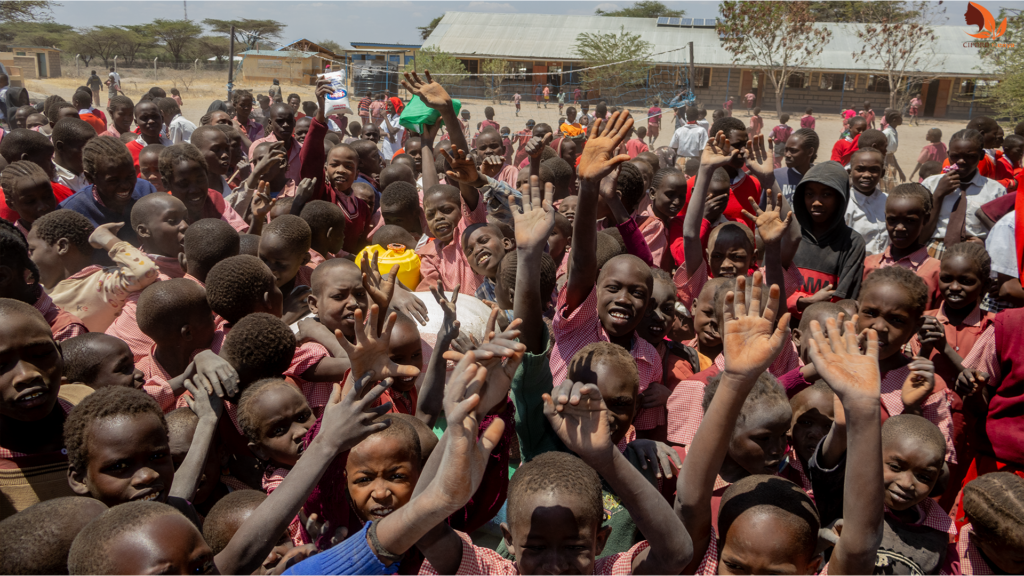
Food security, household income, climate resilience, sustainable agriculture and education are not separate development issues. They are interconnected.
A child may be able to attend school because a meal is available today. But ensuring that the same child can continue learning tomorrow also requires families to have the resources and resilience to meet their basic needs.
This is why both immediate support and long-term community development matter.
At CIFORD Kenya, we believe that locally led solutions can help communities build a more secure and resilient future — one where children can remain in school, families can strengthen their livelihoods and communities are better prepared to face future challenges.
The work begins with listening to communities, understanding the challenges they face and investing in solutions that can create lasting change.
Join Us in Building Resilient Communities
Creating lasting change requires collaboration. CIFORD Kenya continues to work with communities and partners to strengthen livelihoods, improve food security, support sustainable agriculture and build resilience among vulnerable rural households.
Together, we can help create communities where children have the opportunity to learn, families can build secure livelihoods and every community has the tools to face future challenges.